Here are the Speech Language Therapy Coding Changes Going Into Effect on January 1, 2027
In case you missed it, the CPT Editorial Panel is doing away with speech language therapy code 92507 in favor of ten new ones. We've got more details on the new codes and how SLPs should use them.


Subscribe
Get the latest news and tips directly in your inbox by subscribing to our monthly newsletter
If you’re a speech-language pathologist, you’ve got some coding changes in the offing in the new year. As we covered in our proposed rule blog, the AMA’s CPT Editorial Panel made the decision to delete code 92507 (Treatment of speech, language, voice, communication, and/or auditory processing disorder; individual) and replace it with ten separate codes offering more specificity. Those proposed codes were listed as such in the proposed rule:
- 92X0X — Treatment of fluency disorder (eg, stuttering and cluttering), direct (one-on-one) patient contact; initial 30 minutes
- 92X1X — Treatment of fluency disorder (eg, stuttering and cluttering), direct (one-on-one) patient contact; each additional 15 minutes
- 92X2X — Treatment of speech sound production disorder (eg, articulation, phonological process, apraxia, dysarthria), direct (one-on-one) patient contact; initial 30 minutes
- 92X3X — Treatment of speech sound production disorder (eg, articulation, phonological process, apraxia, dysarthria), direct (one-on-one) patient contact; each additional 15 minutes
- 92X4X — Treatment of language disorder (eg, receptive, expressive, or pragmatic language), direct (one-on-one) patient contact; initial 30 minutes
- 92X5X — Treatment of language disorder (eg, receptive, expressive, or pragmatic language), direct (one-on-one) patient contact; each additional 15 minutes
- 92X6X — Treatment of voice and upper airway disorder (eg, resonance, voice quality), direct (one-on-one) patient contact; initial 30 minutes
- 92X7X — Treatment of voice and upper airway disorder (eg, resonance, voice quality), direct (one-on-one) patient contact; each additional 15 minutes
- 92X8X — Treatment of voice, upper airway dysfunction, and/or resonance disorders, direct (one-on-one) patient contact; initial 30 minutes
- 92X9X — Treatment of voice, upper airway dysfunction, and/or resonance disorders, direct (one-on-one) patient contact; each additional 15 minutes (list separately in addition to code for primary service)
- 92508 — Treatment of speech, language, voice, communication, and/or auditory processing disorder, group, 2 or more individuals
Now, the American Speech-Language-Hearing Association (ASHA) is offering more clarity on the coding and how it will be structured. You can read the blog in full here, but we’ll go over the salient details below.
The new codes are structured to cover the following services:
- Fluency disorders
- Speech sound production disorders Initial 30 minutes
- Language comprehension and expression disorders
- Combined speech sound production and language disorders
- Voice, upper airway dysfunction, and/or resonance disorders
For Fluency Disorders:
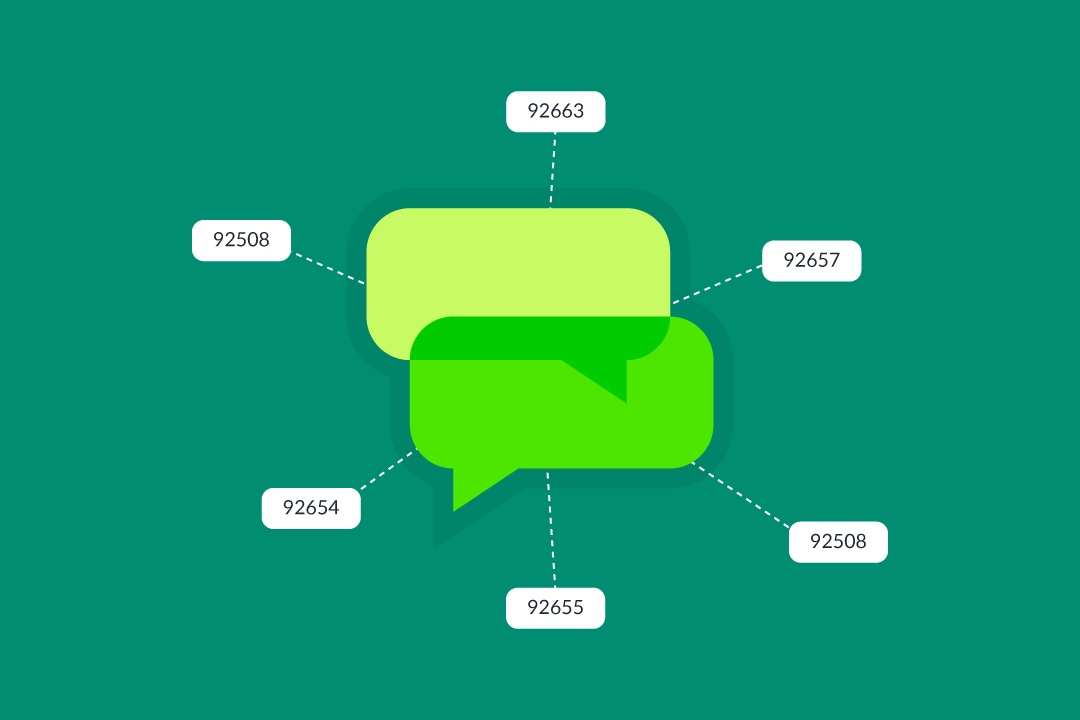
- Code 92654 covers “Treatment of fluency disorder (eg, stuttering and cluttering), direct (one-on-one) patient contact; initial 30 minutes.”
- Code 92655 covers each additional 15 minutes of treatment when used in conjunction with 92654.
For Speech Sound Production Disorders:
- Code 92656 is for “Treatment of speech sound production disorder (eg, articulation, phonological process, apraxia, dysarthria), direct (one-on-one) patient contact; initial 30 minutes.”
- Code 92657 to be used for each additional 15 minutes of treatment — again, in conjunction with 92656.
For Language Comprehension and Expression Disorders,
- Code 92658 covers “Treatment of language comprehension and expression disorder (eg, receptive and expressive language), direct (one-on-one) patient contact; initial 30 minutes.”
- Code 92659 is the attendant code for each additional 15 minutes of service.
For Speech Sound Production and Language Comprehension and Expression Disorders:
- Code 92660 is designated for “Treatment of speech sound production disorder (eg, articulation, phonological process, apraxia, dysarthria) and language comprehension and expression disorder (eg, receptive and expressive language), direct (one-on-one) patient contact; initial 30 minutes.”
- Code 92661 should be used in conjunction for each additional 15 minutes of treatment.
For Voice, Upper Airway Dysfunction, and/or Resonance Disorders,
- Code 92662 is for “Treatment of voice, upper airway dysfunction, and/or resonance disorders, direct (one-on-one) patient contact; initial 30 minutes.”
- Code 92663 is its companion for each additional 15 minutes of treatment.
Additionally, group treatment code 92508 is now a stand-alone code for “Treatment of speech, language, voice, communication, and/or auditory processing disorder, group, 2 or more individuals
If you’re looking at this new set of timed codes and wondering how those additional 15-minute codes work, you can refresh yourself with this guide to the Medicare 8-Minute Rule. In short, you’ll need to reach 37 total minutes of treatment with code 92654, for example, to then bill one unit of code 92655, and then 53 total minutes for another unit of 92655.
As always, we'll keep you updated on all the compliance changes as they arrive, including the CMS final rule coming in early November.
Here are the Speech Language Therapy Coding Changes Going Into Effect on January 1, 2027
2027 ICD-10 Coding Changes Go Into Effect October 1. Here's What Could Impact Rehab Therapists